
I used to think curtains were the least important part of a room. Then I watched a single pair of short, shiny grommet panels make a beautiful living room feel oddly unfinished. How can fabric do that? It turns out window treatments are not just fabric. They are architecture, proportion, texture, and mood, all hanging from a rod. In 2026, the design conversation has moved toward tailored, layered, and intentional window treatments—and away from styles that feel mass-produced or heavy. After reading advice from interior designers Cortney McClure, Danielle Chiprut, and Candace Plotz, I have a much clearer idea of what to avoid and what to choose instead.
1. Grommet-Style Curtains: Functional but Flat
Grommet-style curtains have metal rings that slide over a curtain rod. Are they convenient? Absolutely. Do they look refined? Usually, no. They often read as mass-produced, and they do not add much style to a window. Cortney McClure, founder and principal designer of Cortney McClure, says grommet drapery may work in a playroom or kid's bedroom, but for other spaces she recommends a more tailored header style, such as a pleated top, an inverted box pleat, or a ripple fold. Those details can dramatically change the softness and livability of a room.
2. Ornate Valances: Heavy, Dated, and Out of Step
Ornate valances once signaled traditional elegance. Now they often feel dated and heavy. Danielle Chiprut, founder and principal designer of Danielle Rose Design Co., warns that overly ornate valances can feel at odds with today's preference for light, airy interiors. Instead, she suggests pinch pleat or tailor pleat treatments in soft natural fabrics like linen or velvet. These add elegance without feeling stuffy. She also recommends layering curtains with woven wood shades or sheer panels to add texture without the weight of a traditional valance. That approach balances elegance with modern sensibilities.
3. Too-Short Curtains: The Imbalance Nobody Needs
If you have ever walked into a room and felt something was off, look at the hem. Candace Plotz, founder and principal designer of Candace Plotz Design, calls drapery that floats above the floor one of the biggest mistakes she sees. It creates imbalance and leaves the room feeling unfinished. Her solution is custom drapery, because ready-made panels rarely offer a perfect fit. Custom window treatments elevate the aesthetic and offer craftsmanship that mass-produced options cannot match. In 2026, precision matters more than ever.
4. Exposed Hardware: Let the Curtains Take the Spotlight
Exposed hardware has a place—industrial lofts, urban spaces, and rooms with a raw edge. But overall, the preference is to hide or minimize curtain hardware. McClure says, “We want to hide the rod hardware as much as possible so the drapery gets all the attention it needs.” She recommends rod-pocket drapes or pleated panels with adjustable back tabs. These let the hardware take a backseat and allow the curtains to shine. It is a small change with a surprisingly large payoff.
5. All-Neutral Curtains: Safe, But Sometimes Sleepy
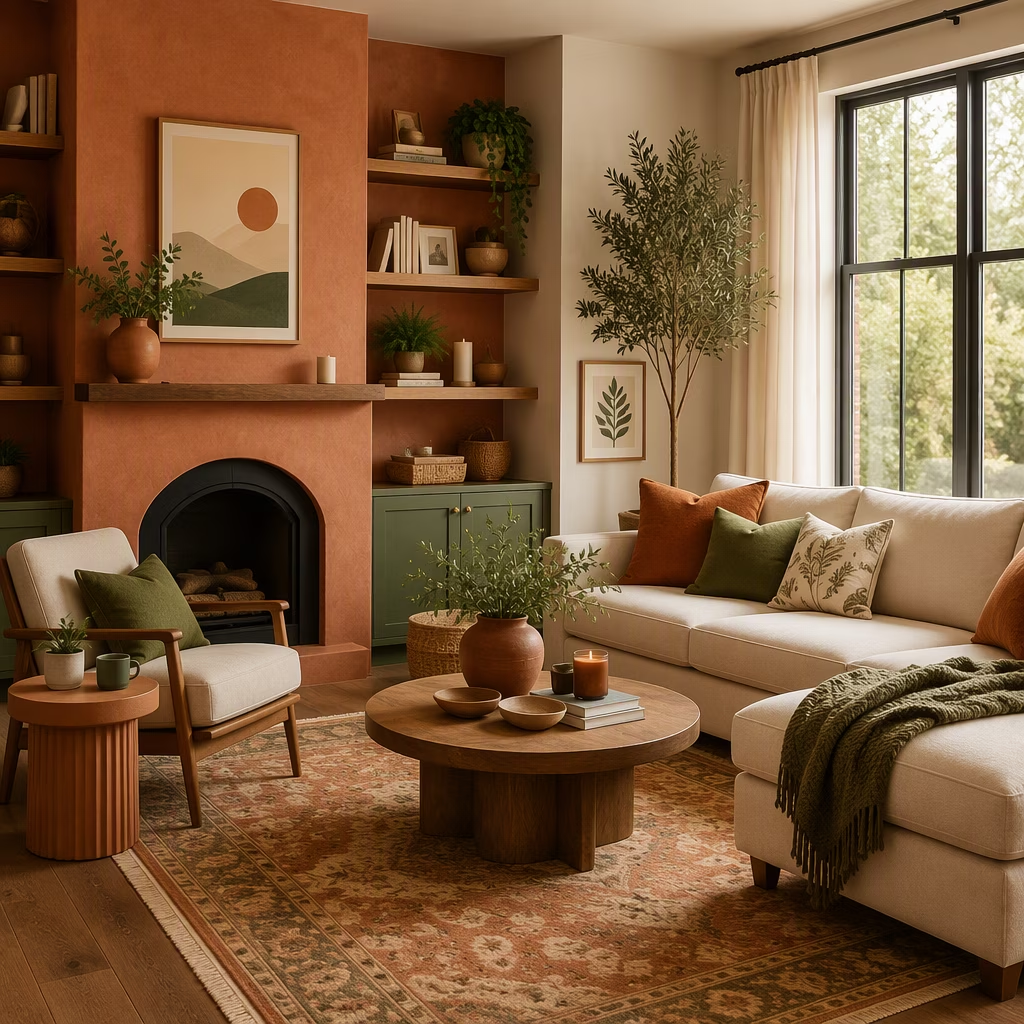
Neutral-toned curtains are a safe choice, but safe is not always memorable. McClure wants to see more bold drapery fabric choices that tie wallpaper, wall paint, and decorative elements together. She believes pops of color, texture, and print can be just as impactful as calm neutrals. Chiprut adds that curtains are an opportunity to add softness, color, or pattern, but they should enhance the room, not compete with it. So the question is not “Should I use color?” It is “How do I use it with intention?”
6. Trim and Layering: The Custom Details That Matter
Curtains with trimming are a wonderful way to get a custom, tailored look. Plotz says custom trim—whether in a contrasting hue or subtle fringe—takes drapery from functional to striking. It can elevate an entire room's design. Layering is another powerful tool. Chiprut suggests pairing sheer panels with blackout curtains or adding woven shades underneath the curtain to bring texture and dimension to windows. These layers create depth without visual clutter.
The One Rule That Beats Every Trend
Every designer I read gave the same final advice: measure, measure, and measure again before purchasing curtains. That sounds simple, but it is the difference between a polished room and a room that feels almost finished. Here is a quick comparison I now keep in mind:
| Outdated approach | 2026-friendly alternative |
|---|---|
| Grommet top | Pleated top, inverted box pleat, or ripple fold |
| Ornate valance | Pinch pleat, tailor pleat, or layered shades |
| Short floating panels | Floor-length custom drapery |
| Exposed rod hardware | Rod-pocket, back tabs, or hidden hardware |
| All-neutral solid panels | Bold pattern, texture, trim, and layering |
As a regular person who just wants a home that feels calm and considered, I find this advice freeing. I do not need to chase every trend. I need to pay attention to proportion, fabric, hardware, and finish. A window is not a hole in the wall. It is a chance to frame light, soften a room, and add personality. So before you buy another ready-made panel, ask yourself: will this make the room feel complete, or will it just cover the glass? In 2026, the best curtains do both—and they make it look effortless. 😊