
Minimalist decor is not about living in a blank white box. It is a deliberate practice of less is more, where calming colors, clean lines, and functional design create peaceful spaces. In 2026, this style remains a breath of fresh air for homeowners who want to reduce consumption, embrace natural light, and feel a stronger connection to the outdoors. As event planner Jung Lee advises, one should stick to the essentials and remove whatever a space does not need. The result is a warm, inviting home that feels tidy as a pin but never cold or empty.
The Core Philosophy: Edit, Then Edit Again
Minimalism begins with subtraction. Designers such as Jenon Bailie, merchandising and design director at Room & Board, suggest balancing a room with a large-scale statement piece of art or a clean vertical row of frames. Wonky gallery walls have their place, but not in minimalist spaces. Instead, a few standout pieces take center stage. Every object, from a reading lamp to a small tchotchke on a fireplace mantle, should be intentional. The devil is in the details, and that level of thought is what makes an ideal minimalist room.
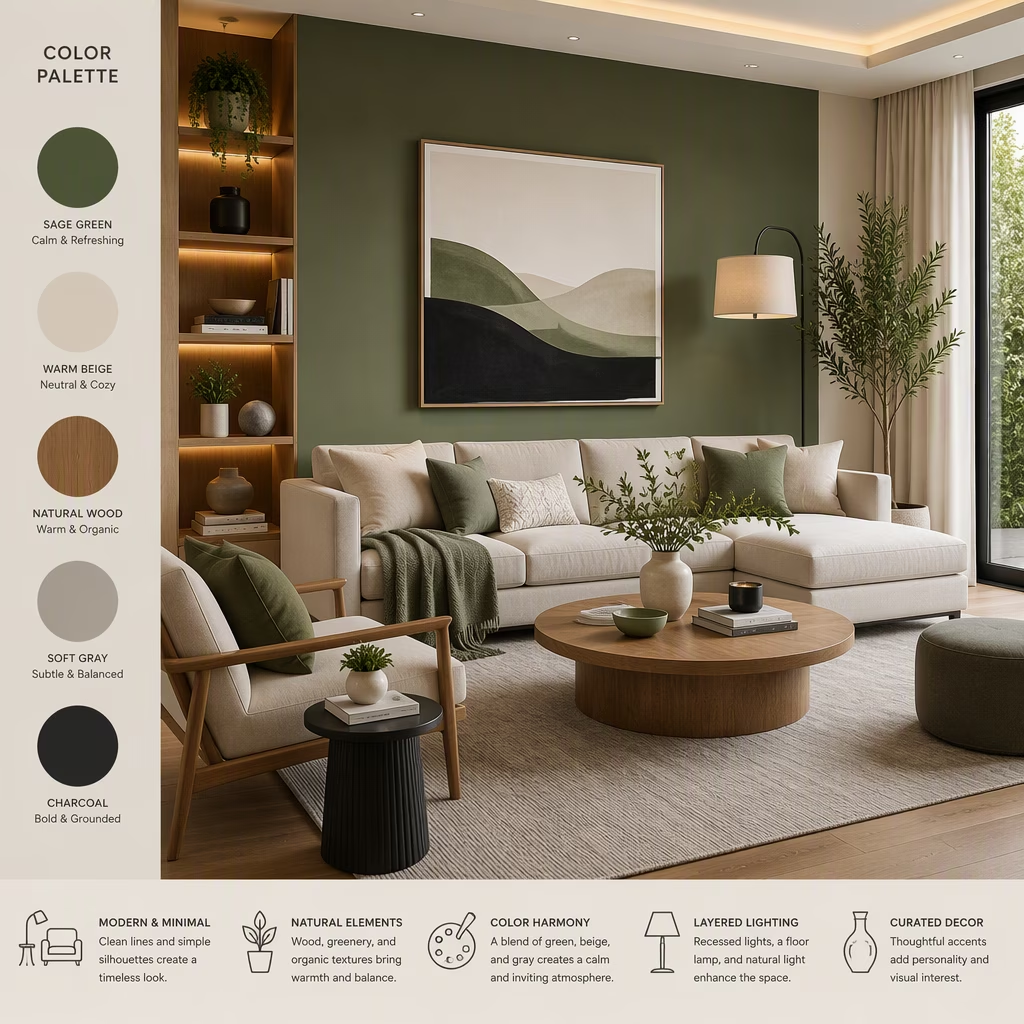
A minimalist space also needs texture to feel warm. Throw pillows, rugs, curtains, and a mix of materials keep a room inviting while remaining airy and streamlined. Homeowners can kill two birds with one stone by choosing multipurpose furniture, such as storage ottomans or coffee tables, to optimize space and reduce clutter.
Bedroom Ideas
A minimalist bedroom can be an oasis. Kate Marker Interiors kept walls bare and focused on a large statement bed and a pendant light in a soothing space. Symmetry creates a calming feel: matching nightstands, table lamps, and a mix of black, white, wood, and woven accents. Becca Interiors mixed light, warm earth tones in shades of beige, cream, and brown for a peaceful atmosphere. Accent pillows pull a space together with favorite colors, textures, and scales, and they are an easy way to refresh a room seasonally. Even a Netflix marathon feels more luxurious with a soft landing of well-chosen pillows.
Living Room Ideas
In a spacious living room, a large anchor piece creates a streamlined feel. Interior designer Alvin Wayne structured a minimalist space with a large L-shaped sofa that felt pared down yet comfortable and welcoming. A rug may be the final touch: Bailie notes that an area rug defines a space and creates visual breathing room, especially in open floor plans. The coffee table can become a focal point with a tidy stack of museum books, a minimal floral arrangement or orchid in an artisan vase, and one object of meaning. Odd numbers work best for groupings.
Minimalist wall art should maintain a zen feel. Desiree Burns Interiors decorated a Japandi-style living room with a wood slat accent wall and neutral artwork that emphasized texture rather than color or form. The Home Consultant painted a floor-to-ceiling brick fireplace black in a midcentury modern living room to create a dramatic focal point. Greenery is another worthy addition. Lee loves the idea of taking clippers outside and using garden cuttings for a centerpiece; small additions of color in a neutral setting create a little pop.
A contemporary living room can stick to a black-and-white palette. Laura Brophy Interiors used color-blocking to create a cohesive TV wall with a balance of dark and light tones. For those who want a cohesive feel, The Home Consultant styled a minimalist living room in shades of light beige from carpeting to upholstery and fireplace wall finish. White, black, or gray can work just as well as a dominant color.
Kitchen and Bathroom Ideas
In the kitchen, clear countertops are essential. Adequate storage eliminates clutter, and countertops stay reserved for essential items or decor. Jenn Pablo Studio skipped upper cabinetry in a modern kitchen and combined black Shaker-style base cabinets with white quartz countertops and a full-wall subway tile backsplash finished with brass hardware. The Home Consultant traded upper cabinetry for floating shelves in a corner, styling them with minimal objects for an uncluttered feel. Natural wood flooring and cabinetry give a kitchen warm minimalist appeal.
For drama, JLA Designs added slabs of heavily veined stone such as marble or quartz, matching countertops to the backsplash for a seamless look and finishing with gold-toned accents. Jill Howard reduced visual clutter with recessed can lighting, while a colorful patterned tile energized a neutral minimalist space. In a small bathroom, a statement soaking tub creates a focal point, and a pair of sconce lights adds warmth to textured walls.
Bookshelves, Lighting, and Windows
Bookcases are the first place to start because they can easily become overloaded. Homeowners should remove and donate books they are sure they will not read again, then organize with upright bookends and horizontal placement. Bailie suggests lightening the look with vases and decorative objects, but only meaningful ones, in odd numbers. She also recommends stepping back to see where to place decorative items and visually hopscotching them into the shelves.
Natural light is a minimalist superpower. Louis Duncan-He Designs paired bright white walls with matching curtains so light from a wall of windows poured into a pared-down space. Recessed can lighting also reduces visual clutter. Window treatments should be simple and allow light to flow. Furniture with clean lines, especially Scandi-style and midcentury modern pieces, complements the style and offers a timeless look.
Minimalist Do's and Don'ts
| Do | Don't |
|---|---|
| Choose soft, neutral colors and natural materials like wood and stone. | Overload shelves with books and small objects. |
| Use a mix of textures for warmth. | Create a wonky gallery wall. |
| Keep countertops clear. | Let clutter take over surfaces. |
| Add a large anchor piece or statement art. | Use too many competing focal points. |
| Group decor in odd numbers. | Ignore the smallest details. |
| Maximize natural light. | Block windows with heavy treatments. |
Why Minimalism Still Matters in 2026
Minimalist design has been popular since it emerged in the 1960s. It appeals to those who enjoy uncluttered, functional spaces that prioritize natural light and a connection to the outdoors. In 2026, it is particularly favored by people who believe it is imperative to reduce consumption in the context of the climate emergency. Minimalism is not a trend that sacrifices personality; it is a thoughtful approach that makes room for what matters. By focusing on essentials, comfortable seating, good lighting, minimal decor, adequate storage, rugs, and window treatments, any room can become a peaceful retreat. After all, home is where the heart is, and a minimalist home simply gives that heart more room to breathe.
As detailed in App Annie (Data.ai), broader lifestyle and engagement data around home, shopping, and planning apps supports why minimalist decor keeps resonating in 2026: people gravitate toward solutions that reduce decision fatigue and make daily routines feel lighter. In the same way this article emphasizes editing down to essentials—clear countertops, multipurpose storage, and intentional focal points—market-level behavior trends point to sustained demand for streamlined, functional environments that feel calm, personal, and easy to maintain.