
As we step into 2026, the world of interior design continues to evolve, shedding rigid conventions in favor of personality and practicality. When it comes to dining spaces, the old rulebook is officially being tossed out. Gone are the days of perfectly matched sets and strictly formal atmospheres. Today's top designers champion spaces that feel lived-in, welcoming, and uniquely personal, especially as we prepare for holiday gatherings that are more about connection than ceremony. Let's explore six specific rules that leading professionals like Ayten Nadeau, Elana Mendelson, and Rebecca Amir believe you can confidently ignore, transforming your dining room from a staged showpiece into the heart of your home.
Rule to Break #1: Dining Chairs Must Be Upholstered
Forget the notion that elegance requires plush, fabric-covered dining chairs. Designer Ayten Nadeau firmly states that upholstery is not a mandatory investment. "If you only gather there for the holidays, skip the extra cost and opt for sculptural wood or mixed-material chairs," she advises. These alternatives offer ample comfort for annual celebrations without the upkeep. Think of a sleek wooden chair not as mere furniture, but as the architectural skeleton of the room, providing structure and style. For daily users, upholstery makes sense, but for the occasional host, simpler chairs are a savvy and stylish choice.
 :max_bytes(150000):strip_icc():format(webp)/GettyImages-1140199403-a788a7e67d2f44dd8c360c722afe5a07.jpg)
Rule to Break #2: Your Table and Chairs Must Match Perfectly
The perfectly coordinated dining set is officially passé. Designer Elana Mendelson argues that such uniformity can drain a room of its soul. "A perfectly coordinated set can make a dining room feel contrived, boring and flat, especially during the holidays when people are seeking warmth, depth, and character," she explains. Instead, embrace a curated mix. Pair a substantial wooden table with chairs in metal or matte black finishes. This approach adds visual texture and interest, making the space feel collected over time rather than bought in a single trip. It’s like creating a culinary orchestra where each instrument—the table, the chairs, the lighting—plays a different but harmonious note.
Rule to Break #3: An Area Rug is Non-Negotiable
Contrary to popular belief, a dining room rug is not a design essential. Nadeau points out that in some layouts, a rug can actually hinder the space. "In certain layouts, a rug can make the room feel visually constrained or limit how the table can shift when you are accommodating a larger group," she notes. Opting for bare floors can be a strategic move, offering flexibility and a clean, modern aesthetic. It allows the furniture to stand on its own merit and makes post-dinner cleanup a breeze.
Rule to Break #4: The Dining Room Must Be a Formal, 'For Show' Space
The era of the untouchable, museum-like dining room is over. "Formality for formality’s sake is outdated," declares Mendelson. She designs dining rooms to be accessible, multi-functional hubs for family life—places for homework, game nights, and casual meals alongside festive dinners. "A room that’s only ‘for show’ ends up feeling stiff, stuffy and uncomfortable," she adds. To combat this, prioritize comfort:
-
Seating: Choose chairs you genuinely enjoy sitting in for hours.
-
Lighting: Implement layered lighting (overhead, sconces, candles) to set different moods.
-
Materials: Use durable, performance fabrics that can withstand spills and life's messes.
Rule to Break #5: Wall Art Should Be Traditional
Why limit your walls to standard paintings or prints? Designer Rebecca Amir encourages a more personal gallery wall. "Whether it's a beautiful menu or matches from a favorite restaurant, plates from a family member's collection, vintage postcards from a destination special to you, including art like this helps the room feel personal," she suggests. These items tell your story. Framing a collection of vintage spoons or displaying a set of ceramic plates can be as impactful as a masterpiece, acting like a family scrapbook translated into three-dimensional decor. You can even rotate in seasonal pieces to keep the space feeling fresh for holidays.
Rule to Break #6: Seating is Limited to Dining Chairs
Flexibility is key in modern dining spaces. Amir is a strong advocate for ditching the uniform chair perimeter. If space allows, incorporate a mix of seating options. "It instantly creates a more flexible and inviting environment, encouraging guests to move freely," she says. Consider adding:
-
A cozy bench on one side of the table
-
A pair of armchairs at the heads of the table
-
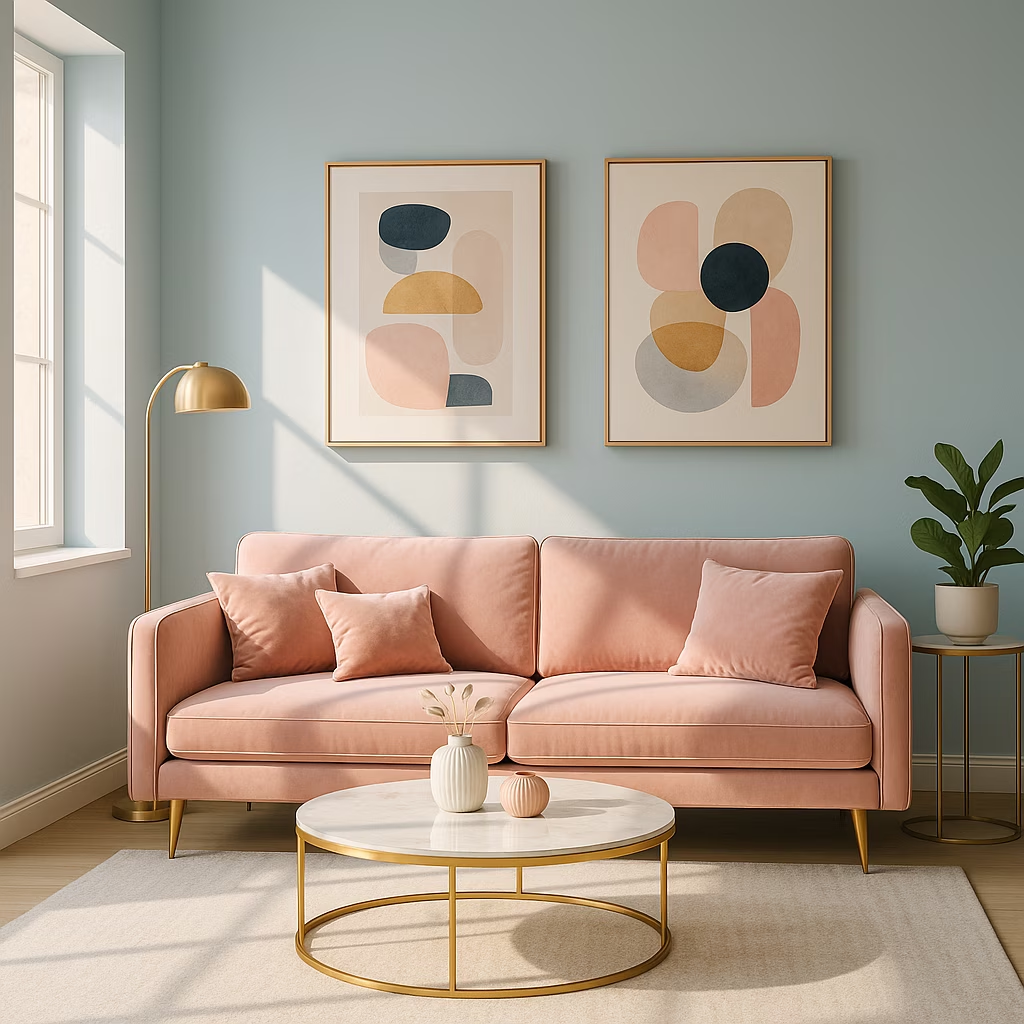
A small sofa or settee in a corner with a side table
This mix not only adds visual interest but also creates casual zones for guests to lounge, perfect for when younger children (or adults!) need a break from the table. It transforms the dining room from a single-purpose venue into a dynamic social landscape.
In 2026, the most memorable dining rooms are those that break the rules with intention. They are spaces that prioritize personal narrative, comfort, and adaptability over rigid adherence to outdated standards. By embracing these alternative approaches from leading designers, you can create a dining area that truly serves your life and welcomes everyone in for gatherings that feel genuinely warm and inviting.